
Dry Needling: What Is It, How Does It Work, and Could It Help You?
If you've ever had physical therapy, you may have heard your physical therapist mention dry needling. And if your first thought was, “Wait...isn't that acupuncture?” you're definitely not alone!
Dry needling has become a common tool in physical therapy, particularly for people dealing with muscle and joint pain. It uses very thin, sterile needles to stimulate muscles and connective tissue and may help decrease pain, improve muscle function, and make movement easier.
But what exactly is happening when a needle is inserted into a muscle? What can dry needling actually help with? And perhaps most importantly, how is it different from acupuncture?
Let's break it down.
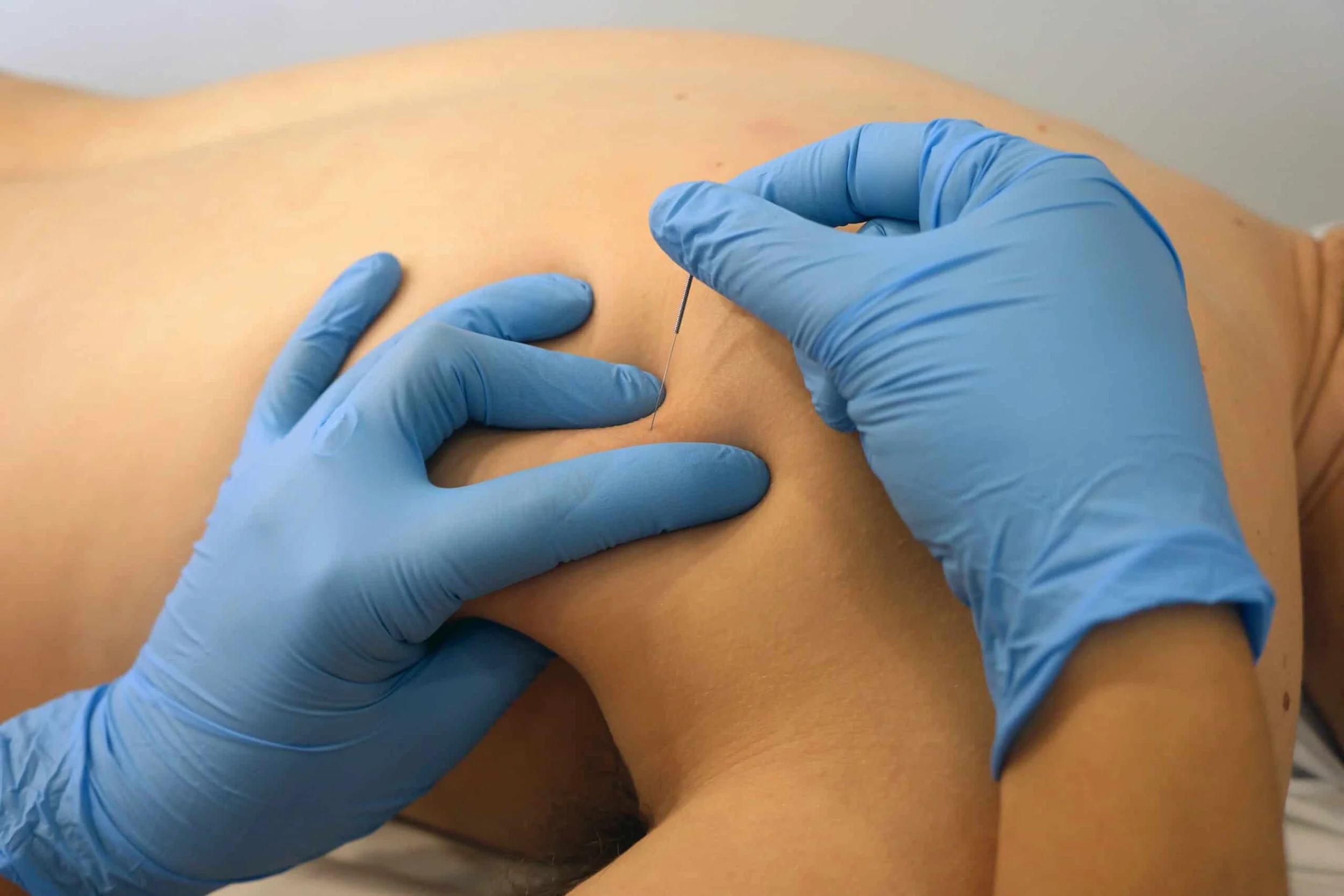
What Is Dry Needling?
Dry needling uses a thin, sterile, single-use needle to stimulate specific muscles, connective tissues, or neuromuscular structures. Unlike an injection, nothing is injected through the needle—which is where the term “dry” needling comes from.
Your physical therapist determines where and whether to use dry needling based on your symptoms, movement, strength, and physical examination. A needle may be placed into a painful or sensitive muscle, a muscle that isn't activating normally, or another tissue that may be contributing to your symptoms.
Most importantly, the needle is a tool—not the entire treatment.
Dry needling is generally used alongside other components of physical therapy, such as strengthening, mobility work, movement retraining, manual therapy, and education. The goal is not simply to make you feel better temporarily, but to create an opportunity for you to move and exercise more effectively.
How Does Dry Needling Work?
To understand dry needling, it helps to think about the nervous system.
Your brain, spinal cord, nerves, and muscles are constantly communicating. Injury or persistent pain can change this communication, sometimes making the nervous system more sensitive and causing muscles to guard or movement to feel uncomfortable.
Dry needling provides a strong sensory input to the nervous system. This may influence pain sensitivity, muscle activity, and how your brain perceives and responds to an area. Research suggests that dry needling can affect several of the body's pain-modulating processes, although the exact mechanisms are still being studied.
It may turn down pain sensitivity
For some people, needling can temporarily decrease pain sensitivity and make movement more comfortable. A 2021 systematic review found reductions in musculoskeletal pain following dry needling at several time points, although the quality of evidence varied between studies.
It may change how a muscle responds
Needling can influence communication between nerves and muscles. This may help decrease excessive muscle tension or make a muscle easier to activate.
It can create a “window of opportunity”
If pain or muscle guarding is preventing you from moving or exercising effectively, temporarily reducing those barriers can make it easier to practice better movement and progress your rehabilitation.
The goal isn't simply to make the pain go away. It's to make it easier for you to do the things that will help you get better.
What Can Dry Needling Help With?
Dry needling may be useful as part of a treatment plan for a variety of musculoskeletal conditions, including:
Neck and shoulder pain
Low back pain
Tendon-related pain
Knee pain and osteoarthritis
Greater trochanteric pain syndrome (“hip bursitis”)
Muscle-related pain and sensitivity
TMJ pain
Some chronic pain conditions
Research suggests that dry needling can help reduce musculoskeletal pain, particularly in the short term. However, it isn't necessarily more effective than other forms of physical therapy, so your physical therapist should consider it as one treatment option among many.
What Can Dry Needling Not Do?
Dry needling can be useful, but it has limitations.
It cannot:
Make a weak muscle strong by itself
Restore overall strength or fitness
Replace progressive exercise
Automatically heal an injured tissue
Permanently change movement patterns on its own
Think of dry needling as one tool in the toolbox. It may help reduce pain or muscle guarding enough to make your rehabilitation exercises more comfortable and effective—but the exercises are still an important part of building long-term strength and capacity.
What Does Dry Needling Feel Like?
Everyone experiences dry needling a little differently.
You may feel a brief prick as the needle enters the skin, followed by pressure, an ache, or occasionally a brief muscle twitch. Some people notice a change in their symptoms immediately, while others notice changes over the following hours or days.
Temporary soreness, bruising, or minor bleeding can occur afterward. Major complications are uncommon, but like any procedure involving a needle, dry needling does carry some risk.
Your physical therapist should discuss the potential risks and benefits with you before treatment.
Dry Needling vs. Acupuncture: What's the Difference?
This is probably the number one question physical therapists hear about dry needling:
“Isn't that acupuncture?”
The short answer is: the needles may look similar, but the treatment approaches are different.
Both acupuncture and dry needling use thin, sterile filiform needles, and there can be some overlap in where needles are placed. The primary difference is the clinical framework used to determine the treatment.
Dry needling
Physical therapists who perform dry needling use a Western medical and rehabilitation framework. Treatment is based on concepts such as:
Anatomy and physiology
Neuromuscular function
Pain science
Movement patterns
Physical examination findings
Musculoskeletal diagnosis and rehabilitation goals
The physical therapist is asking questions such as: Which muscle or neuromuscular structure may be contributing to this person's symptoms? How is it affecting their movement? Could needling help them tolerate or perform rehabilitation more effectively?
Acupuncture
Acupuncture is rooted in Traditional Chinese Medicine and East Asian medicine. Treatment is based on concepts such as Qi, meridians, and acupuncture points, with needle placement determined according to that framework.
Acupuncture practitioners may also use needling to address a broader range of health concerns, depending on their training and scope of practice.
So while the physical needle itself may be similar, the education, clinical reasoning, treatment philosophy, and professional scope can be different.
In Washington State, physical therapists who perform intramuscular needling must meet specific education, clinical experience, and state endorsement requirements. Patient consent must also address the procedure, including its risks and benefits, and distinguish intramuscular needling from acupuncture.
Is Dry Needling a Replacement for Exercise?
No—and this is an important distinction.
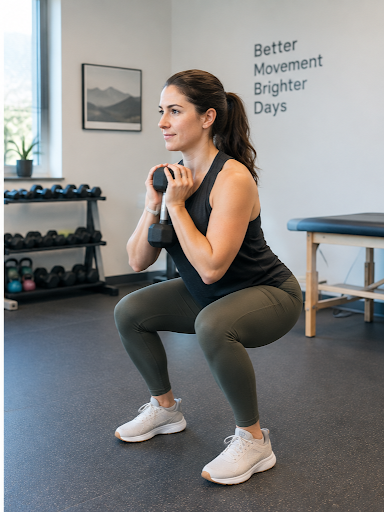
Your body needs progressive movement and loading to build strength, endurance, coordination, and capacity. Dry needling can't do that for you.
Instead, it may help reduce some of the barriers preventing you from exercising effectively.
Think of it like opening a door. Dry needling may help open the door by reducing pain or improving your ability to move. Your rehabilitation is what allows you to walk through it.
That might mean strengthening a muscle, gradually loading a tendon, practicing a movement pattern, returning to running, or building your tolerance for the activities you enjoy.
Could Dry Needling Be Right for You?
Dry needling isn't necessary for everyone, but it may be worth considering if pain, muscle sensitivity, or difficulty activating a muscle is getting in the way of your rehabilitation.
Your physical therapist can evaluate your symptoms, movement, strength, goals, and overall health to determine whether dry needling makes sense for you—and, just as importantly, what you should do after the needle comes out.
Interested in learning whether dry needling could be part of your treatment plan? Reach out to the team at Upward Physical Therapy to schedule an evaluation.
References
Sánchez-Infante J, Navarro-Santana MJ, Bravo-Sánchez A, Jiménez-Díaz F, Abián-Vicén J. Is Dry Needling Applied by Physical Therapists Effective for Pain in Musculoskeletal Conditions? A Systematic Review and Meta-Analysis. Physical Therapy. 2021;101(3):pzab070. doi:10.1093/ptj/pzab070.
Dunning J, Butts R, Henry N, et al. Effectiveness of Dry Needling for Musculoskeletal Conditions by Physical Therapists: A Systematic Review and Meta-analysis. Journal of Orthopaedic & Sports Physical Therapy. 2017.
Brennan KL, Allen BC, Maldonado YM. Dry Needling Versus Cortisone Injection in the Treatment of Greater Trochanteric Pain Syndrome: A Noninferiority Randomized Clinical Trial. Journal of Orthopaedic & Sports Physical Therapy. 2017;47(4):232-239. doi:10.2519/jospt.2017.6994.
Boyce D, Wempe H, Campbell C, et al. Adverse Events Associated With Therapeutic Dry Needling. International Journal of Sports Physical Therapy. 2020;15(1):103-113.
Rabanal-Rodríguez G, Simón-Alonso MA, Navarro-Santana MJ, et al. Frequency and severity of adverse events associated with dry needling: a systematic review and meta-analysis. Physical Therapy. 2026;106(6):pzag050. doi:10.1093/ptj/pzag050.
Neurophysiological Effects of Dry Needling: A Systematic Review and Meta-analysis. 2025/2026.