

Trigger Point & Estim Dry Needling - Upward PT Seattle
Trigger Point and Estim Dry Needling are a highly effective treatment used by our physical therapists to reduce pain, release muscle tension, improve mobility, and help you move with greater ease. Whether you're dealing with a stubborn injury, chronic muscle tightness, or recurring aches and pains, dry needling can be a powerful tool to accelerate recovery and improve function.
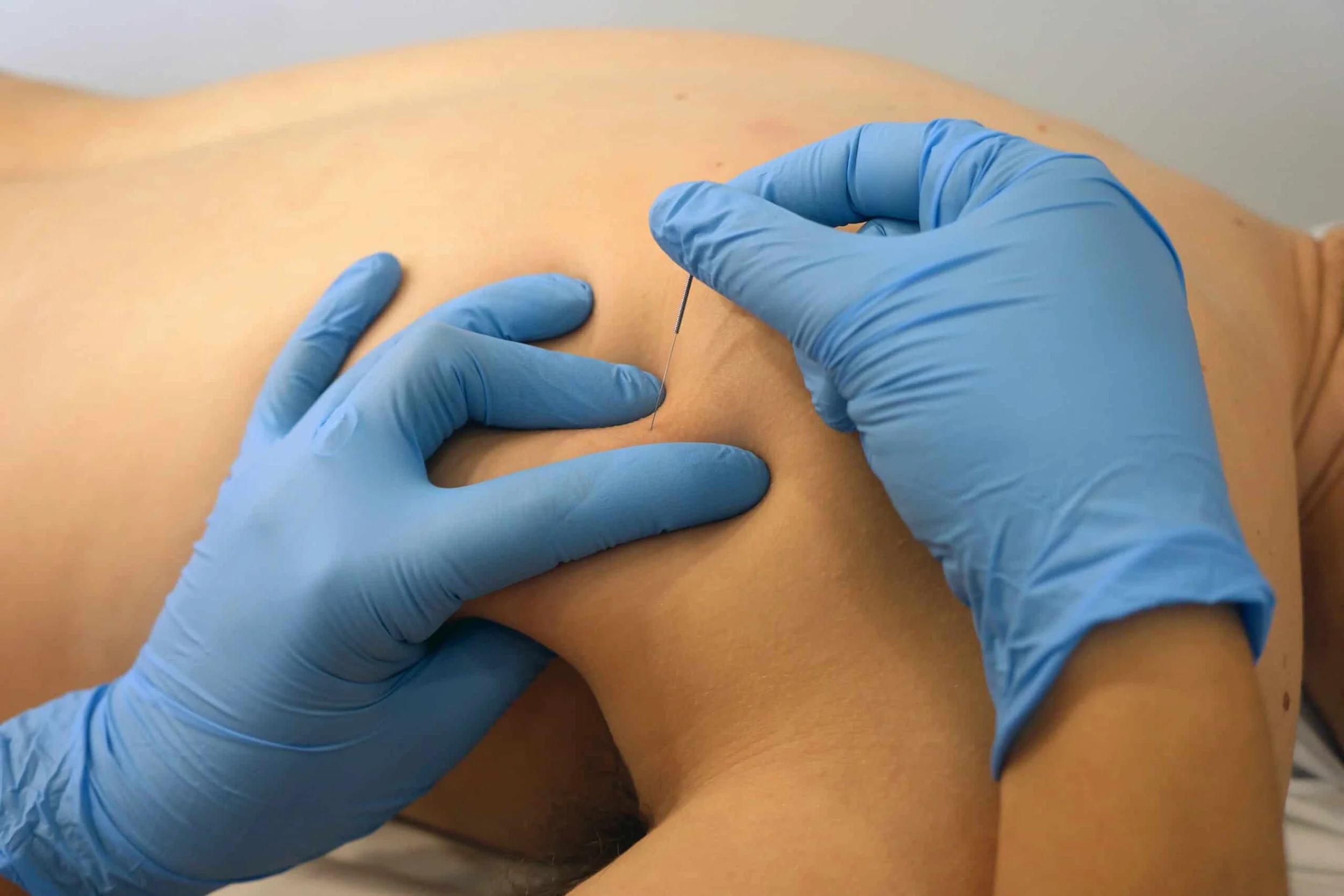
What is Dry Needling?
Trigger Point Dry Needling (TDN) is a treatment technique that uses a thin, sterile filament needle to target tight bands of muscle tissue, commonly known as trigger points.
These trigger points can contribute to pain, stiffness, weakness, restricted movement, and altered movement patterns. By inserting a needle directly into the affected tissue, dry needling helps reduce muscle tension, improve blood flow, decrease pain sensitivity, and restore normal muscle function.
Unlike injections, nothing is injected into the body—the needle itself creates a therapeutic response.
Dry Needling vs. Acupuncture
While dry needling and acupuncture use similar needles, they are based on different philosophies and treatment goals.
Dry Needling
Based on modern anatomy, neuroscience, and movement science
Targets specific muscles, tendons, and connective tissues
Focuses on pain relief, mobility, muscle function, and rehabilitation
Used as part of a comprehensive physical therapy treatment plan
Often Estim is also used to activate muscles at different points simultaneously
Traditional Acupuncture
Based on Traditional Chinese Medicine principles
Focuses on balancing energy pathways (meridians)
Often used for broader health and wellness goals
At Upward Physical Therapy, dry needling is performed by licensed physical therapists as part of an individualized rehabilitation and performance-focused treatment approach.
What Conditions Can Dry Needling Help?
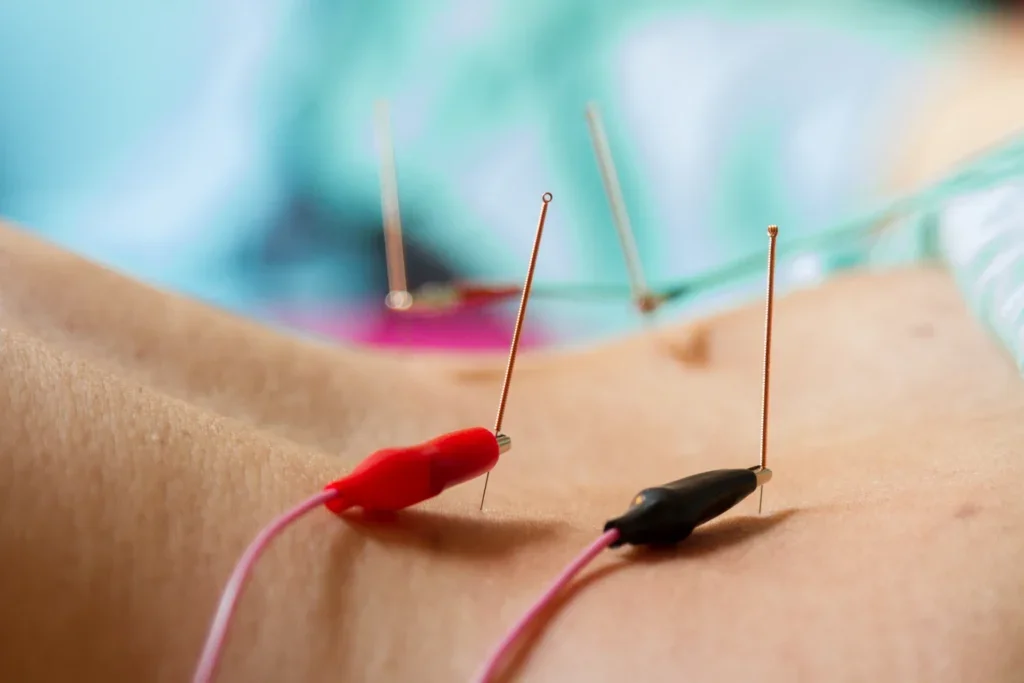
Dry needling can be helpful for a wide variety of orthopedic, sports medicine, and persistent pain conditions, including:
Neck pain and tension headaches
Shoulder pain and rotator cuff injuries
Low back pain
Hip pain (glute, hamstring, adductor, hip flexor)
Knee pain and tendinitis
Plantar fasciitis
Achilles tendinopathy
Tennis elbow and golfer's elbow
Running-related injuries
Sports injuries
Muscle strains
Chronic muscle tightness
Persistent pain conditions
Scar management (c-section, more visible scars)
Common Goals:
Reduce pain
Improve flexibility and mobility
Decrease muscle tension
Improve movement quality
Enhance athletic performance
Speed recovery from injury
Improve tolerance for exercise and daily activities
What to Expect During Your Session
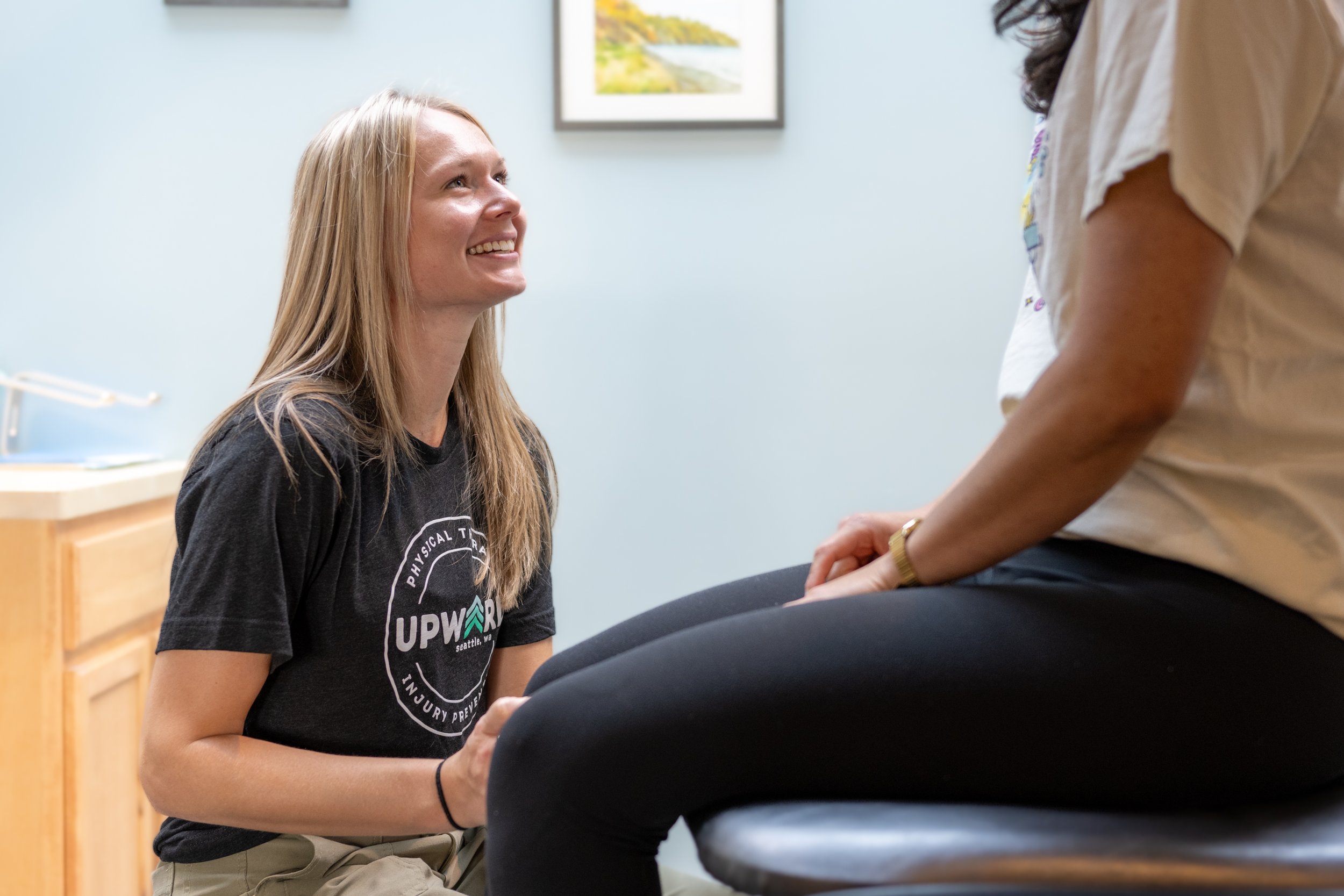
Your physical therapist will first evaluate your symptoms, movement patterns, and goals to determine whether dry needling is appropriate for you.
During treatment:
The therapist will identify the muscles and tissues contributing to your symptoms.
Thin, sterile needles are inserted into targeted trigger points.
You may feel a brief twitch response, muscle cramp sensation, or deep ache as the muscle releases.
Treatment typically lasts only a few minutes and is integrated into your broader physical therapy plan.
Many patients are surprised by how quick and tolerable the process is.
What Will I Feel Afterwards?
Experiences vary from person to person, but it is common to notice:
Immediately After Treatment:
Reduced muscle tension
Improved movement or flexibility
Temporary soreness similar to a workout
Mild fatigue
Over the Next 24–48 Hours:
Continued improvement in mobility
Decreased pain sensitivity
Improved tolerance for exercise and activity
Most post-treatment soreness resolves within a day or two.
Your therapist may recommend hydration, light movement, walking, or specific exercises following treatment to maximize results.
Ready to See If Dry Needling Is Right for You?
If pain, muscle tightness, or movement limitations are holding you back, dry needling may be an effective addition to your treatment plan.
Schedule an evaluation with one of our physical therapists to determine whether trigger point dry needling is appropriate for your goals and recovery.
Ready to get started with Dry Needling?